Skip to content

You can be passionate about skin, treatments, and client care, but that still leaves a big question: how do you move from learning the material to actually feeling ready to work in a clinic? That gap is what many students worry about most.
At Skin Aesthetics Canada, we see this every day. People are not just looking for a certificate. They want advanced skincare education that gives them real skill, real supervision, and a clear path toward a lasting career in medical esthetics.
How do you become a certified medical aesthetician and feel ready for real clinic work?
You start with a strong education, build hands-on skills under supervision, and develop the judgment, consistency, and professionalism needed in a clinical setting. The right training helps you move from theory to treatment with more confidence and a much clearer sense of what day-to-day practice actually requires.
What Does It Mean To Become A Certified Medical Aesthetician
Becoming a certified medical aesthetician means more than finishing a course and receiving a credential. In practice, it means learning how to work in a clinical aesthetics environment where safety, treatment planning, and client communication matter just as much as technical ability.
A medical aesthetician works with advanced skin treatments and technology in a setting that is more clinical than a traditional spa. That can include services such as microneedling, HydraFacial, dermaplaning, chemical peels, laser hair removal, IPL treatments like Lumecca, Aerolase laser treatments, radiofrequency skin tightening with Forma, and Morpheus8 for skin remodeling.
Skin Aesthetics Canada is rooted in real clinic experience through the team behind DERMABAR, a Toronto clinic known for injectables, advanced skin rejuvenation, laser treatments, skin tightening, and a training division tied to those services.
That is why aesthetician certification should be seen as the beginning of clinical readiness, not the whole story. A strong program helps students understand not only what a treatment is, but when it is appropriate, how to prepare for it, how to perform it safely, and how to support the client throughout the process.
How Classroom Learning Translates Into Real Clinical Skill
This is where the title question gets answered most directly. The move from classroom to clinic happens when theory is repeated, tested, supervised, and refined until it becomes a usable skill.
Reading about treatment protocols is helpful, but it is not the same as handling devices, preparing the treatment room, observing skin response, adjusting technique, and speaking with a client in real time. Students begin connecting the material once they can see how treatment theory applies to real cases and practical scenarios.
That is also why repetition matters. The first time a student performs a clinical step, it can feel slow and overly deliberate. After guided practice, the same step begins to feel more natural.
Over time, students are not just recalling information. They are learning how to think like providers. That shift is a major part of medical aesthetics training in Toronto, ON, especially in programs that emphasize practical instruction alongside core theory.
What Hands-On Clinical Training Should Actually Include
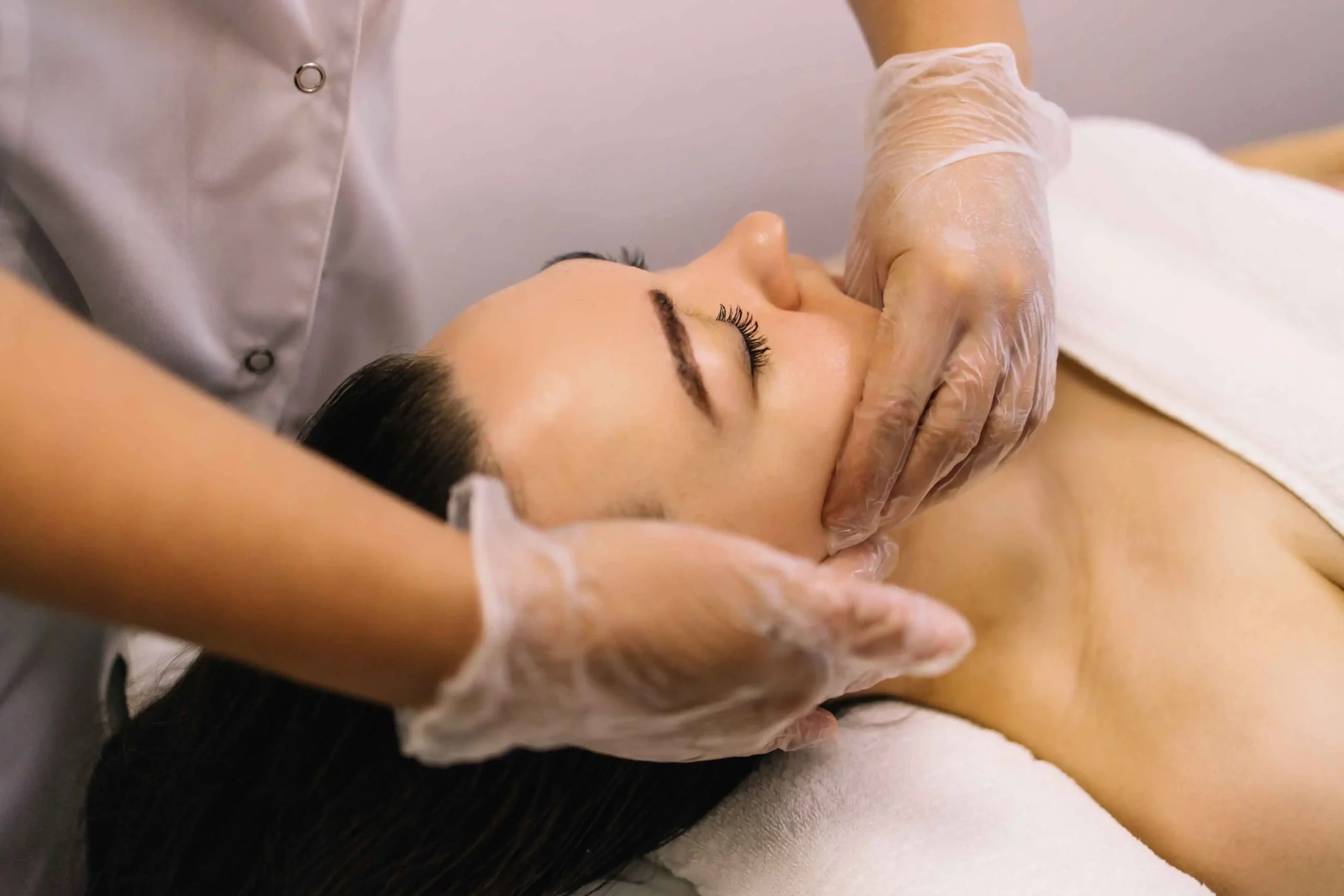
Hands-on training should look like more than a quick demo followed by a certificate. Students need supervised practice that reflects the pace and expectations of a clinical setting.
That means learning consultation flow, treatment prep, charting, sanitation, client communication, and post-treatment guidance. It also means becoming comfortable with the technology and treatments used in medical aesthetics today.
Just as important is instructor feedback. A strong educator not only points out mistakes. They help students understand how to correct pressure, improve hand positioning, manage treatment flow, and communicate more professionally with clients. That kind of feedback builds precision and helps students feel more settled in the treatment room.
What Makes A Student Feel Ready To Step Into A Clinic
Students usually start feeling clinic-ready when they stop focusing solely on the steps and begin to understand the full treatment experience.
Readiness shows up in small but important ways. A student begins to prepare the space with less hesitation. They become more consistent in consultations. They learn how to speak clearly with clients, explain aftercare, and respond calmly when a treatment does not go exactly as expected.
This is where mentorship makes a real difference. Structured repetition, instructor guidance, and practical exposure help students develop the habits clinics actually need. For anyone pursuing a career in medical esthetics, practical confidence can shape not only first-job readiness but also long-term performance.
How To Choose A Program That Supports The Full Path
If you are comparing programs, look beyond the certificate itself. The more important question is whether the training supports the entire path from learning to clinical execution.
A good program should combine theory, practical training, up-to-date treatment knowledge, and guidance from professionals with real-world clinical experience. It should also reflect what the field actually looks like today, including advanced skin treatments, laser-based services, and professional standards for client care.
Skin Aesthetics Canada is positioned as an academy built by leaders behind an award-winning clinic, with a focus on hands-on clinical mastery and evidence-based education. That connection matters because students benefit when training is shaped by people who understand what clinics expect from graduates in real treatment settings.
What Happens After Certification
Certification is an important milestone, but it is not the finish line. Most graduates continue building speed, judgment, and confidence once they begin working more consistently.
The first stage after certification is often about refining technique, strengthening client communication, and gaining comfort with a wider range of treatment scenarios. Over time, continuing education becomes part of staying relevant in practice. That is especially true in medical aesthetics, where technologies, protocols, and client expectations continue to evolve across services such as injectables, laser treatments, and skin remodeling.
This is why advanced skincare education matters well beyond graduation. Strong fundamentals help you begin. Ongoing learning helps you grow into a more capable professional.
From Student To Aesthetic Professional
The path from classroom to clinic is not about rushing through a course and hoping confidence follows later. It is about building knowledge first, practicing under supervision, developing sound clinical habits, and gaining enough repetition to work with more consistency and composure.
That is what makes the difference between simply finishing a program and feeling prepared to step into a real role. If you are serious about medical aesthetics training Canada professionals can use in the real world, the right start is one that blends science, hands-on practice, and clinical perspective from the beginning.
At Skin Aesthetics Canada, we believe the right training should help you build more than a credential. It should help you build real readiness. Enroll today to start your career in medical aesthetics.