 Skip to content
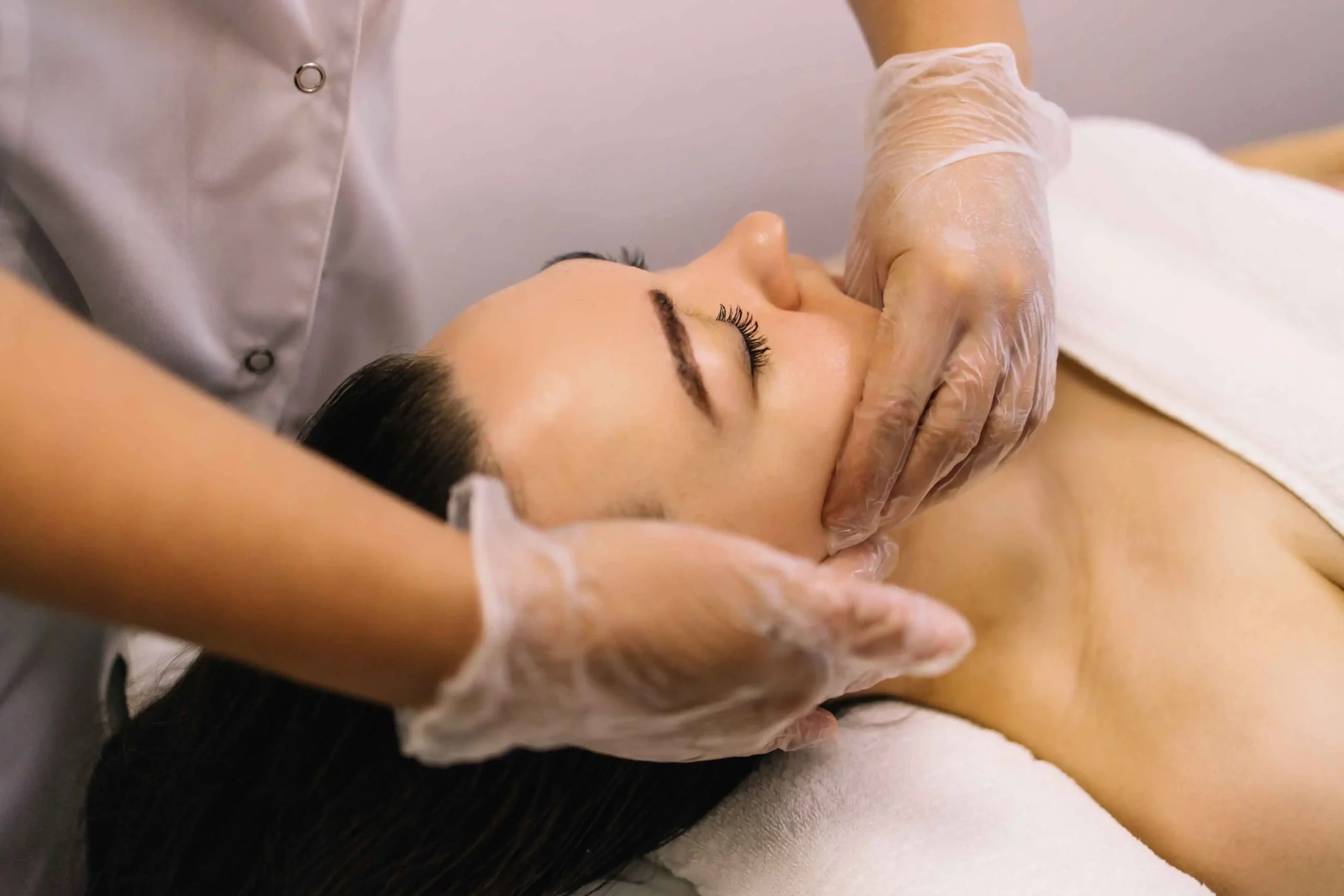
Table of Contents
If you have ever felt that small flicker of doubt before a session, wondering whether a client’s recent dental work or cold sore means you should proceed, that instinct is worth trusting. Knowing the buccal massage contraindications at SKIN AESTHETICS CANADA is part of what separates a confident, responsible therapist from one who is hoping for the best.
What are the Essential Contraindications Every Buccal Massage Therapist needs to learn?
Essential contraindications every buccal massage therapist must learn fall into two groups. Absolute contraindications, such as active oral infections, cold sores, unhealed dental surgery, open lesions, and undiagnosed growths, mean never proceed.
Why Contraindication Screening Matters in Buccal Massage
Buccal massage needs your safety judgment. You are in direct contact with the oral mucosa, the facial muscles, and the lymphatic pathways, which means anything happening in or around that area becomes your concern before you begin. This is why intraoral massage safety is treated as its own skill, not an afterthought to technique.

Absolute Contraindications: When Buccal Massage Should Never Be Performed
Some conditions are a clear no, regardless of how much a client wants the treatment. These are the situations where buccal massage should never be performed:
- Active infection in or around the mouth. This includes cold sores or herpes simplex outbreaks, oral thrush, abscesses, and active gum or tooth infections. Massage can spread infection deeper or transfer it elsewhere.
- Recent dental or oral surgery. Extractions, implants, and other procedures need time to heal fully before any intraoral pressure is safe.
- Open lesions, ulcers, or unexplained sores inside the mouth or on the lips. Until these are healed or assessed, the area is off limits.
- Diagnosed oral cancer, or any undiagnosed lump or growth that is still pending evaluation. This always belongs with a physician first, never on your table.
When any of these are present, the answer is simply not today. There is no version of the technique that makes an active infection or an open wound safe to work on.
Relative Contraindications: When to Pause, Modify, or Seek Clearance
Most of your judgment calls will not be absolute. They will be the in-between cases, where the right move is to wait, adjust, or get clearance rather than refuse outright.
Recent injectables and facial surgery are the most common examples. Timing matters here, and so does the treating provider’s guidance. This is where buccal massage and Botox timing become a real consideration.
Manual manipulation of recently treated areas can disturb product placement before it has settled, so allowing adequate time & confirming the client is past the settling window protects the result they paid for. The same caution applies to dermal filler facial massage safety, where pressure too soon can affect how the filler sits.
Other situations that call for a modified approach or a conversation first:
- TMJ disorders and recent orthodontic work. Understanding TMJ massage contraindications and applying gentle, informed muscles of mastication release precautions can make the difference between relief and aggravation. Some clients benefit, but only with a careful, adapted technique.
- Sinus infections, which can make pressure around the cheeks genuinely uncomfortable, are better worked around once resolved.
- Pregnancy, blood-thinning medication, and conditions affecting healing or bleeding. These warrant a real conversation, and sometimes a sign-off from the client’s doctor before you proceed.
The theme across all of these is the same. A relative contraindication is not a closed door. It is a signal to slow down, ask more questions, and sometimes bring in a medical professional to inform the decision.
How to Screen a Client Before a Buccal Massage Session
A reliable screening process is what turns all of this knowledge into something you actually use. Strong advanced facial massage safety protocols start before the client sits down.
Begin with a thorough intake form that covers medical history, current medications, recent procedures, & oral health. Then confirm it verbally, because people genuinely forget to mention the filler they had last week or the sore that just showed up.
A quick, respectful visual check of the area catches what paper and memory miss. Finally, document everything, including consent & any flagged conditions, before you begin. That record protects both of you.
What to Do When a Contraindication Is Present
Finding a contraindication is only helpful if you know how to respond. You really have three options: refuse and reschedule, modify the session to work safely around the issue, or refer the client to a physician or dentist for clearance.
Communicating a no is where many therapists feel awkward, and that is understandable. The key is to frame it around their well-being. Something like, “I want to make sure we get the best, safest result for you, so let’s wait until this has fully healed,” keeps the client feeling cared for rather than rejected. Most people appreciate a practitioner who refuses to cut corners with their health.
When the situation involves recent surgery, certain medications, or an undiagnosed concern, ask for written medical clearance before booking. It is a small step that removes guesswork entirely.
Common Questions About Buccal Massage Safety
- Can someone get a buccal massage after Botox or filler? Not right away. Wait until the product has fully settled & follow the treating provider’s guidance on timing. Working the area too soon risks shifting the result, so confirming the client is cleared protects their investment.
- Is buccal massage safe during pregnancy? It calls for caution rather than an automatic no. Because pregnancy affects circulation, healing, & comfort, this is a conversation to have first, and a medical sign-off is a reasonable step.
- What is the difference between a condition that means wait and one that means never? A never is an active infection, an open lesion, or an undiagnosed growth in which treatment could cause direct harm. A wait is a temporary state, such as with recent injectables or healing dental work, where the same client may be perfectly fine to treat once they have recovered.
If you want hands-on training, a structured program on buccal massage certification in Canada is the most reliable path. For therapists looking for a buccal massage course in Toronto, the Facial Buccal Massage Certificate at Skin Aesthetics Canada covers both techniques and safety protocols.
Boost Your Expertise
Prioritize client safety and strengthen your expertise. Secure your spot in our next 1-Day In-Person Buccal Face & Neck Massage Certification Course today. Register Now at Skin Aesthetics Canada and gain the confident, hands-on screening skills that keep every client safe and every session professional.


